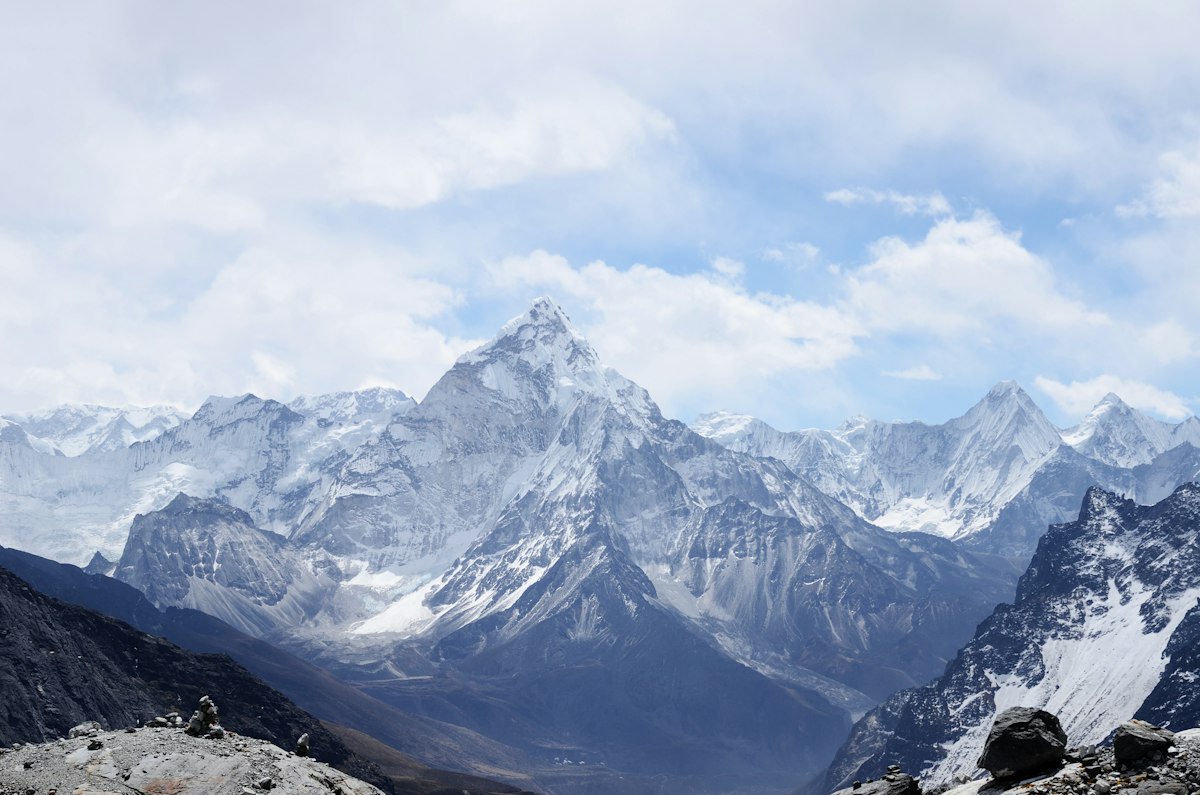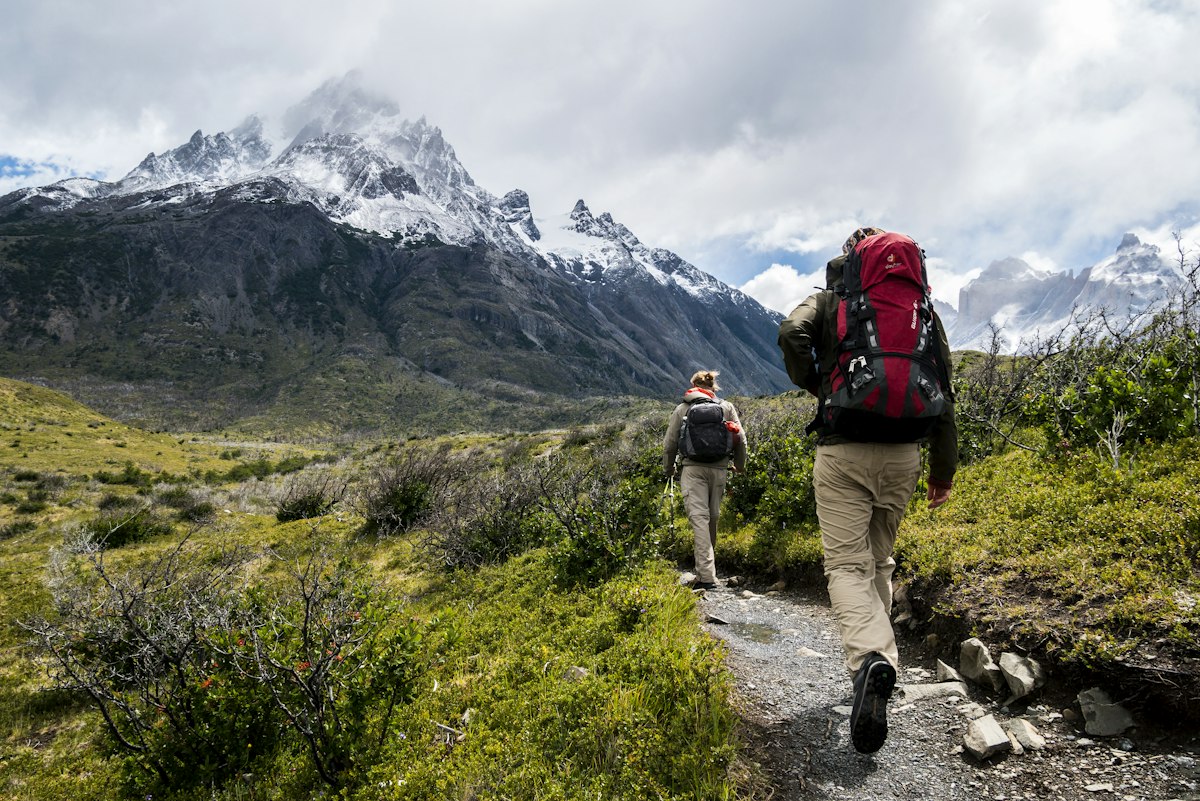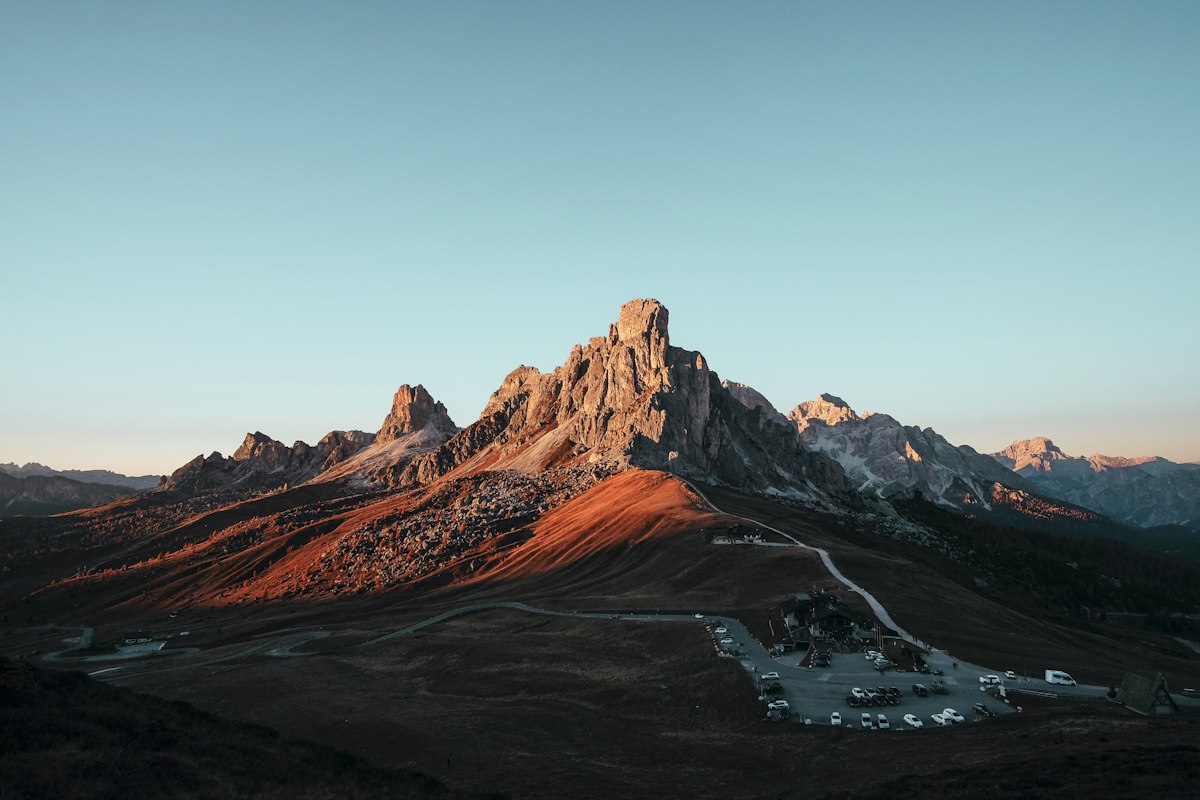
Spiti Valley is not a destination you visit — it is a landscape that visits you. Cold desert air, thousand-year-old monasteries perched on cliffs, and night skies so clear you forget what city light pollution feels like. Nestled at elevations between 2,700m and 4,600m in the Trans-Himalayan belt of Himachal Pradesh, Spiti is India at its most raw and spiritual.
Why Spiti Should Be Your 2026 Adventure
Spiti remains one of the last truly unspoiled high-altitude wildernesses accessible to civilian travelers. Unlike the crowded trails of Uttarakhand, Spiti offers solitude without sacrifice — comfortable guesthouses in key villages, well-marked trails, and a local infrastructure that has grown thoughtfully around tourism. The government's recent push for sustainable tourism has made 2026 an ideal year to visit, with new eco-campsites and improved road conditions on the Manali–Kaza corridor.
When to Visit Spiti Valley in 2026
The valley opens fully from June through mid-October when Kunzum Pass (4,590m) is accessible. The sweet spot is late June to early September — post-monsoon clarity makes the skies especially vivid for photography.
- June: Snow still visible on high passes, rivers are swollen with meltwater, fewer crowds
- July–August: Best for photography, but Monsoon can cause Landslides on Manali–Rohtang route
- September–October: Harvest season in villages, clearest skies, crisp nights — our recommended window
- Winter (November–May): Only for extreme adventurers; Rohtang and Kunzum are closed, access via Kinnaur only
Must-Visit Monasteries
Spiti is as much a spiritual journey as a physical one. The valley is dotted with ancient monasteries that have preserved Tibetan Buddhist traditions for over a millennium.
- Key Monastery — The largest monastery in Spiti, dating to the 11th century. Wake up before dawn to witness the monks' morning prayers and enjoy panoramic views of the Spiti River basin below.
- Tabo Monastery — A UNESCO World Heritage Site nominee, Tabo is often called the "Ajanta of the Himalayas" for its extraordinary 1,000-year-old wall frescoes. The monastery complex feels like stepping into a living museum.
- Dhankar Monastery — Dramatically perched on a cliff 1,000 feet above the Spiti-Pin river confluence, Dhankar is one of the most photographed monasteries in the world. The Dhankar Lake trek above the monastery is a hidden gem.
- Komic Monastery — At 4,587m, this is one of the highest villages in Asia. The monastery here is small but the surrounding landscape is otherworldly.
Stargazing Basecamps
Spiti has some of the clearest night skies on Earth. With zero industrial light pollution for miles, the Milky Way is not just visible — it is overwhelming. Our certified dark-sky campsites offer:
- Certified low-impact camps with hot meals and oxygen support for altitude safety
- Astronomy-trained local guides who can point out constellations and zodiac signs
- Telescope access at our Kaza basecamp (available on request)
Chandratal Lake and high ridges near Komic offer the most dramatic stargazing. Our multi-day Spiti Circuit includes an overnight camp at Chandratal — a bucket-list experience for any photographer or astronomy enthusiast.
Altitude Acclimatization Guide
Day-by-Day Acclimatization Plan
Acute Mountain Sickness (AMS) is the primary health risk in Spiti. Follow this proven acclimatization schedule:
- Day 1: Arrive in Delhi, fly/train to Manali (2,050m)
- Day 2: Rest day in Manali, gentle walks along the Beas River
- Day 3: Drive to Kaza (3,650m) via Rohtang and Kunzum — this is the critical altitude jump
- Day 4: Light activities in Kaza, visit Key Monastery, rest
- Day 5+: Safe to explore above 4,000m
Pro Tip: Hydrate aggressively — 4–5 liters of water daily. Avoid alcohol for the first 72 hours. Diamox (acetazolamide) can help but consult your doctor before your trip.
Sample 8-Day Itinerary
- Day 1: Arrive Manali, gear check, evening briefing
- Day 2: Manali to Kaza via Rohtang & Kunzum Passes
- Day 3: Key Monastery, Kaza village walk, Hikkim post office
- Day 4: Langza fossil village, Pin Valley exploration
- Day 5: Demul village, cross Kunzum Pass, camp at Chandratal
- Day 6: Chandratal sunrise, drive towards Rohtang
- Day 7: Rohtang area exploration, return to Manali
- Day 8: Buffer day / departure
What to Pack for Spiti 2026
- Thermal base layers (merino wool preferred)
- Windproof outer shell — conditions change rapidly
- Sun protection: SPF 50+ lip balm, glacier cream, wide-brim hat
- Personal medication + first-aid kit
- Power bank (high capacity) — charging points are sparse
- Cash (INR) — ATM access is very limited in Spiti
Spiti is not just a trip — it is a transformation. The mountains strip away everything unnecessary and leave you with pure, undiluted presence. Ready to plan your 2026 expedition? Start planning with us — our curated Spiti Circuit opens soon.