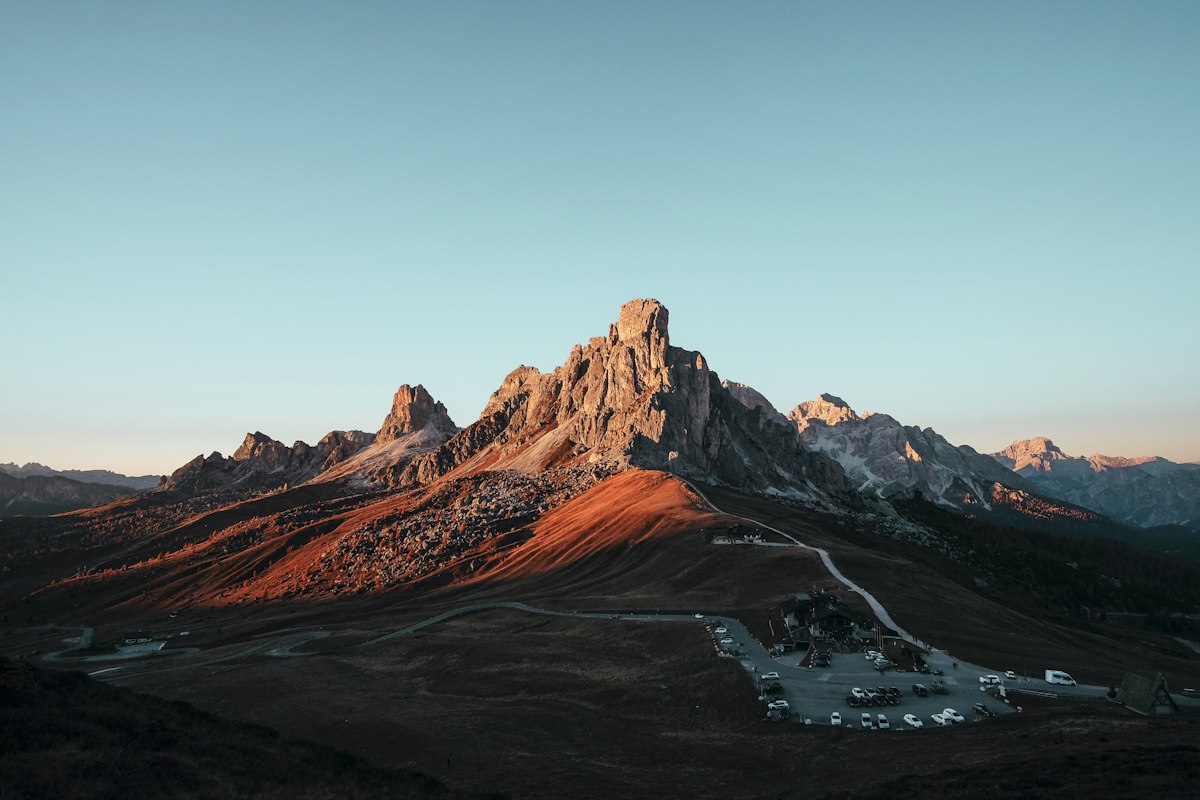
The flag goes up before the sun. That is the rule of Independence Day in the high Himalaya — and it is the detail most visitors never see. In the villages of the mountain belt, the 15th of August starts at 5:30 in the morning: a homestay owner on a tin roof, a bamboo pole, a flag folded in a cupboard since the 26th of January. By the time the plains switch on their televisions, Spiti has already hoisted at 4,000 metres.

We have watched this for six seasons now. The hills do not do grand parades. They do rooftops, school verandas, temple courtyards, and a chai stall that opens an hour early because everybody is awake anyway.
The geography of the hoist
Where the flag goes up depends entirely on altitude.
- Manali (2,050 m): Hadimba temple raises its flag at dawn, followed by the old town's shopkeepers.
- Jibhi & Tirthan (1,600–1,800 m): Homestays follow within the hour. Siddu gets made in extra quantity because the whole village is awake.
- Spiti (3,900–4,200 m): The highest hoists happen on village rooftops, where the air is thin enough that the flag barely moves. It does not matter. The point was never the wind.
- Kinnaur (2,300–2,700 m): Apple-orchard villages string flags along the lower branches, and the harvest-season routines continue underneath them.

What the 15th does to the hills
The honest version is less poetic and more practical: the roads fill, the homestays fill, and the chai stalls run a double shift. Long-weekend crowds in the hills run roughly three times an October weekend. The buses run double. The Manali–Kullu road stops being a drive and becomes a queue.
But there is one saving grace the locals know and the crowds do not: the clouds lift at 4 PM. The monsoon tail produces mornings of low cloud and early rain, then clears in the afternoon — exactly when the last of the day-trippers are heading back down. The best window on the 15th is the early morning (flags, empty roads) and the late afternoon (cleared skies, quiet homestays).

How to plan a 15th that is both patriotic and peaceful
- Book before the 10 AM rush. Homestays in Jibhi, Tirthan and Barot fill by mid-morning on long weekends. Book at least a week out.
- Travel early or late. The 5:30 AM window is the most beautiful part of the day in the hills — and the roads are empty. The noon window is the queue.
- Hoist your own flag. If you are staying at a homestay, ask. Most owners will happily raise a second flag with you — it is the one day of the year every roof is allowed to speak.
- Skip the famous spots, take the village. Solang and Hadimba will be crowded. A homestay roof with a chai and a flag is the better Independence Day.
- Know the monsoon tail. Pack a light shell and a dry bag. The clouds lift by 4 PM — they always lift by 4 PM.

The higher the hoist, the quieter the day
The great secret of Independence Day in the Himalayas is altitude. The valleys fill with crowds; the high villages do not. Spiti, upper Kinnaur and the higher Tirthan tributaries celebrate the 15th the way they always have — early, high and quiet.
That is the version of the holiday worth planning for: a tin roof, a bamboo pole, and a flag that catches the first light at 4,000 metres. The plains can keep the parade. The hills have the dawn.